
Why Use Hot and Cold Packs? Benefits, Uses & Safety Tips
Hot and cold packs offer a simple way to apply controlled cooling or gentle warmth to a specific area of the body. People often use them after everyday activity, for minor bumps and strains, or when muscles feel stiff and uncomfortable. Reusable packs are convenient because they can be kept in a freezer or warmed according to the manufacturer’s instructions, then used exactly where comfort is needed.
Cold and heat do not serve the same purpose. Knowing which one to choose—and how to use it safely—can help you build a more comfortable recovery or self-care routine. This guide explains the practical differences, essential safety rules, and features to consider when choosing reusable hot and cold packs.
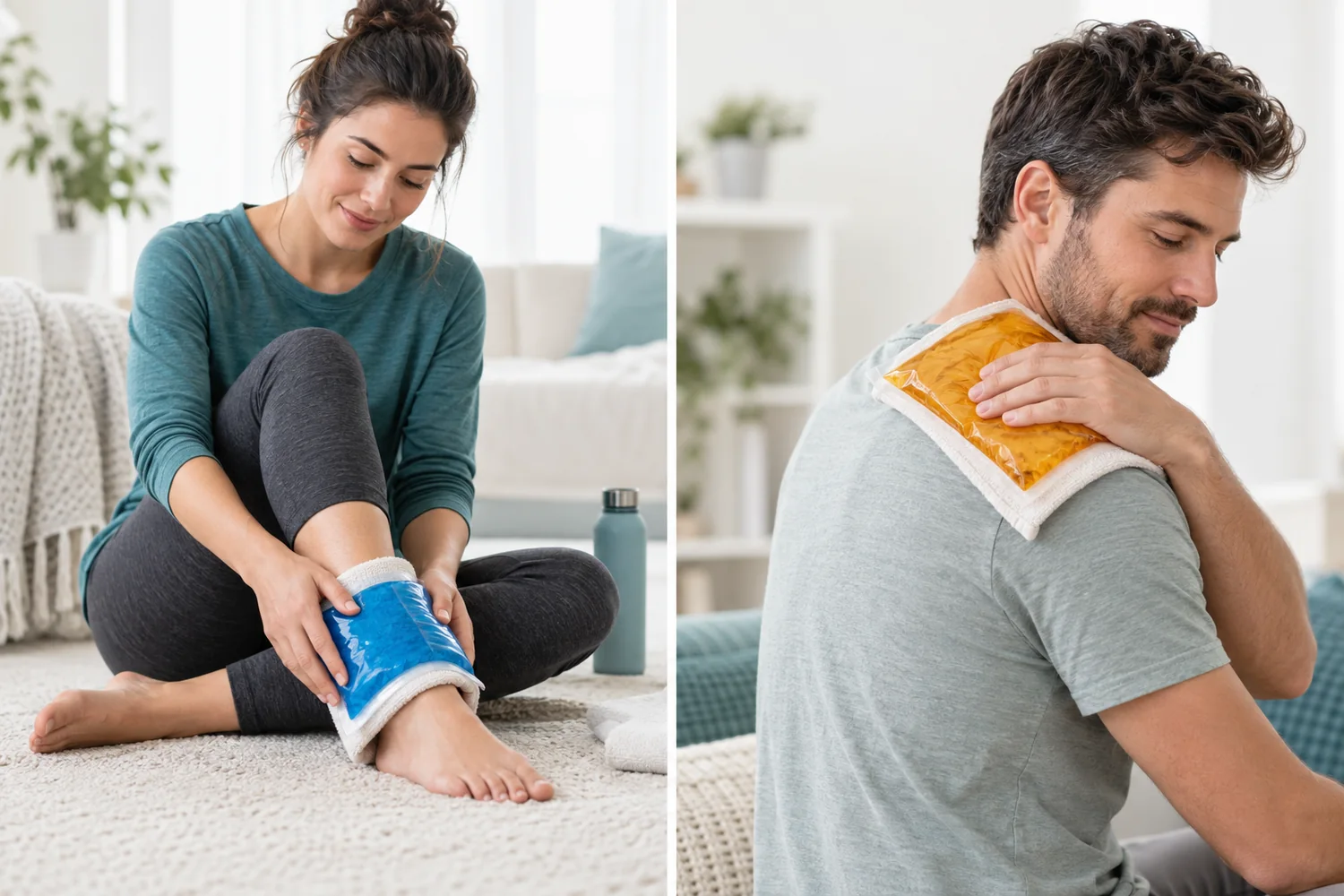
Why Do People Use Hot and Cold Packs?
The main reason is targeted comfort. A pack can be placed over one small area instead of affecting the whole body, and the temperature can be selected to suit the situation. This makes reusable packs useful additions to first-aid kits, sports bags, workplaces, clinics, and home-care routines.
- Targeted application: A flexible pack or wrap can be positioned around an ankle, knee, shoulder, back, or another area that feels uncomfortable.
- Non-drug comfort: Temperature therapy provides a practical option for people seeking temporary comfort without automatically reaching for medication.
- Convenience: Many reusable packs can be cooled or warmed again, reducing the need for disposable alternatives.
- Routine support: Packs can fit into post-activity rest, gentle mobility routines, or clinician-recommended rehabilitation plans.
Temperature therapy is not a diagnosis or a cure. Persistent, severe, or unexplained symptoms should be assessed by a qualified healthcare professional.
What Does a Cold Pack Do?
Cooling an area can temporarily reduce sensation at the skin and help make soreness feel more manageable. It may also help manage swelling after a recent minor injury, particularly when the area feels warm or looks puffy. This is why cold packs are commonly used after minor sprains, strains, bumps, or demanding physical activity.
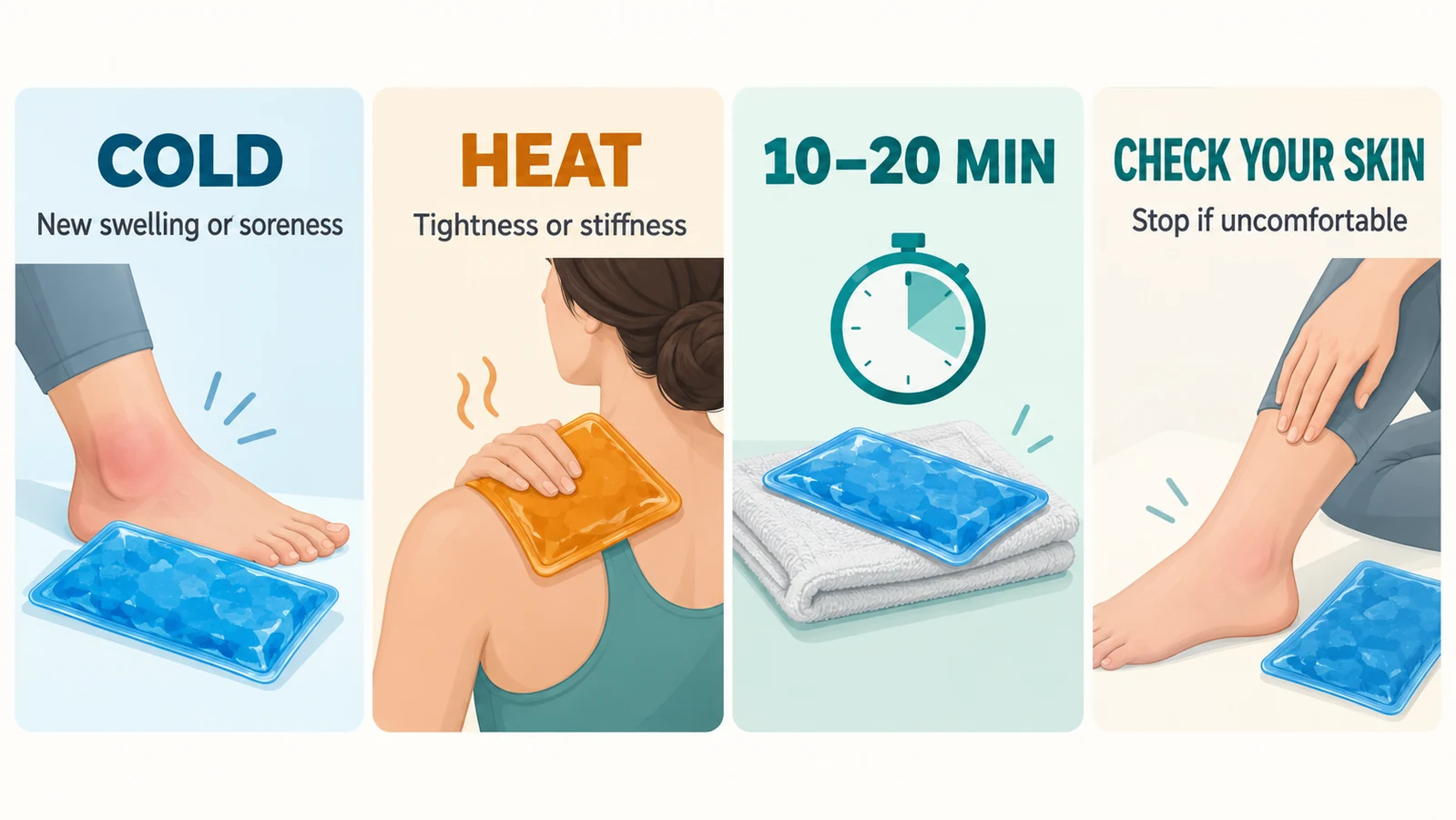
Cold should feel cool and comfortable—not painfully icy. Place a cloth or suitable cover between the pack and bare skin. For a minor sprain, the Mayo Clinic’s first-aid guidance recommends using a cold pack for about 15 to 20 minutes at a time and avoiding application for longer than 20 minutes.
Cold is generally not the best choice when poor circulation, reduced skin sensation, an open wound, or another health condition makes temperature changes difficult to detect safely.
What Does a Heat Pack Do?
Gentle warmth may help tight muscles relax and can make stiff areas feel more comfortable. People often use heat before light stretching or gentle movement when the main problem is stiffness rather than fresh swelling. Heat may also feel soothing during periods of non-acute muscular discomfort.
A heat pack should be pleasantly warm, never hot enough to burn. Follow the pack’s warming instructions carefully, because overheating can create hot spots even when the outside initially feels acceptable. Wrap the pack if directed and check the skin regularly.
Heat is usually not the first choice for a newly injured area that is swollen, warm, or becoming more painful. Guidance from Gloucestershire Hospitals NHS Foundation Trust also emphasizes selecting ice or heat according to the type and stage of the problem.
Cold vs. Heat: Which Should You Choose?
| Situation | Cold may be considered | Heat may be considered |
|---|---|---|
| Recent minor bump, sprain, or strain | Often chosen when swelling or warmth is present | Usually avoided during the early swollen stage |
| Post-activity soreness | May provide temporary cooling comfort | May feel soothing later if muscles are tight rather than swollen |
| Muscular tightness or stiffness | May be less comfortable for some people | Gentle warmth may help the area feel more relaxed |
| Before gentle mobility | Not usually selected when stiffness is the main concern | May help prepare a stiff area for comfortable movement |
| Reduced sensation or poor circulation | Seek professional advice before use | Seek professional advice before use |
A useful rule of thumb is to consider cold for a recent minor problem with swelling or warmth, and gentle heat for non-swollen stiffness or muscle tightness. This is general information, not an individual treatment recommendation. If you are unsure, ask a healthcare professional.
How to Use Hot and Cold Packs Safely
- Read the product instructions. Cooling methods, microwave times, water-heating directions, and recommended application periods vary by product.
- Use a skin barrier. Unless the manufacturer specifically states otherwise, place a clean cloth, towel, or supplied cover between the pack and your skin.
- Keep sessions brief. A common general range is 10 to 20 minutes, but the product instructions and professional advice should take priority.
- Check the skin frequently. Stop if you notice burning, excessive numbness, marked redness, blotchy color, unusual paleness, or increasing discomfort.
- Do not sleep with a pack in place. Falling asleep makes it harder to monitor temperature and application time.
- Avoid damaged skin. Do not place a reusable pack directly over an open wound, active skin infection, or area that cannot sense temperature normally.
- Ask before using when risk is higher. People with diabetes, neuropathy, vascular conditions, poor circulation, or reduced sensation should consult a healthcare professional first.
Never use a leaking or damaged pack. If a product is intended for both hot and cold use, follow its separate instructions for each mode rather than assuming the same preparation method applies.
How to Choose a Reusable Pack
A practical reusable pack should match both the body area and the intended routine. Consider its size, flexibility at the required temperature, seam strength, covering material, and ease of cleaning. A general-purpose flat pack may suit several areas, while a shaped wrap can stay positioned around a joint more easily.
For regular use, look for clear heating and cooling instructions, a comfortable skin-facing surface or removable cover, and an adjustable closure when hands-free use is important. Businesses sourcing products should also confirm materials, test documentation, packaging options, and labeling requirements for their target market.
Featured RISSE Hot and Cold Pack Options
Custom Ankle Ice Pack Wrap
This wrap format is designed to position a reusable pack around the ankle while allowing a more secure fit than a loose flat pack. It may suit brands or distributors seeking a targeted ankle format. Actual preparation and application time should always follow the final product instructions.
Flexible Reusable Gel Hot and Cold Pack
A flexible, general-purpose gel pack can be useful when one product needs to fit several body areas. Its broad format makes it suitable for home-care ranges, sports accessories, first-aid assortments, and private-label projects. Buyers should select dimensions and construction according to the intended application.
Knee Ice Pack Wrap Compression Sleeve
A sleeve-style wrap helps hold the pack around the knee and may also be adaptable to other suitable areas, depending on product sizing. This format is worth considering when secure positioning and convenient movement around the home are priorities. It should not be tightened to the point of restricting circulation.
Explore more RISSE products for reusable hot and cold pack formats and B2B customization possibilities.
Frequently Asked Questions
How long should I use a hot or cold pack?
A general application period is about 10 to 20 minutes. Follow the manufacturer’s instructions because pack temperature, construction, covering, and intended use can differ. Remove it sooner if the skin becomes painful, excessively numb, unusually red, pale, or blotchy.
Should I use cold or heat first?
Cold is commonly chosen soon after a minor injury when swelling or warmth is present. Heat is more commonly used for stiffness or tight muscles without new swelling. The right choice depends on the situation, so seek professional advice if symptoms are significant or the cause is unclear.
Can hot and cold packs be used every day?
Some people include them in a regular comfort routine, but frequency should depend on the product instructions, skin response, health conditions, and any advice from a clinician. Allow the skin to return to its normal temperature between sessions.
Can I sleep with a hot or cold pack?
No. Sleeping with a pack can extend exposure beyond the intended time and prevents proper skin monitoring. Remove the pack before resting or sleeping.
When should I seek medical care?
Seek prompt medical advice for severe pain, visible deformity, inability to bear weight, spreading numbness, rapidly worsening swelling, major skin-color changes, suspected fracture, or symptoms that persist or worsen. Temperature therapy should not delay assessment of a potentially serious injury.
Make Hot and Cold Packs Part of a Safe Routine
Used thoughtfully, hot and cold packs can be a convenient part of an everyday comfort routine. Match the temperature to the situation, protect the skin, keep sessions brief, and seek medical advice for severe or persistent symptoms.
Hot and Cold Pack Solutions for Brands and Distributors
For wholesalers, healthcare-product suppliers, sports brands, and private-label buyers, the most suitable pack depends on the target user, body area, packaging, and local compliance requirements. RISSE welcomes discussions about product sizes, shapes, wraps, branding, and packaging. Product claims should always match verified specifications and the regulations of the destination market.
Discuss custom hot and cold packs with RISSE and request product specifications for your market.
Authoritative References
- Mayo Clinic: Sprain First Aid
- Gloucestershire Hospitals NHS Foundation Trust: Ice and Heat Treatment
- American Academy of Orthopaedic Surgeons: Heat or Ice for Your Pain
- MedlinePlus: Muscle Strain Treatment
Medical disclaimer: This article provides general educational information only and is not medical advice. It does not diagnose, treat, cure, or prevent any condition. Follow product instructions and consult a qualified healthcare professional for advice based on your symptoms, medical history, and individual needs.